
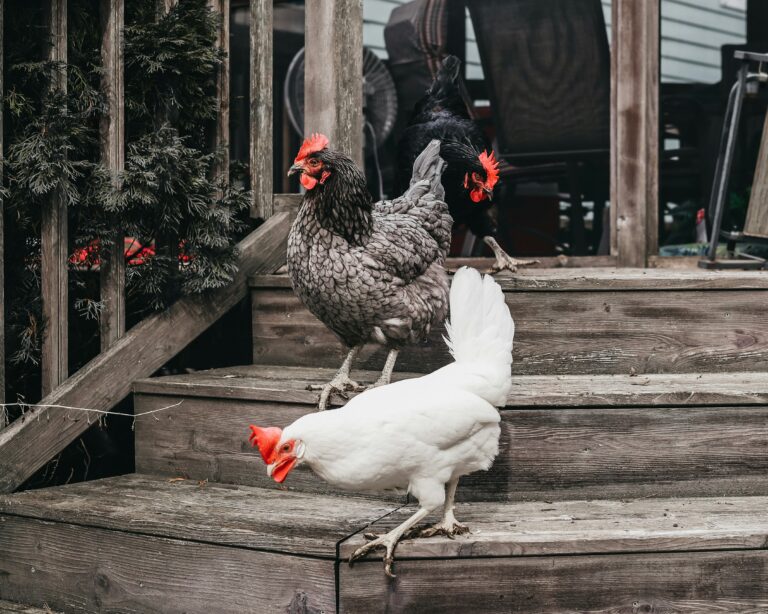
Marana Homes Without HOA Rules: What You Really Get
If you have ever stood in your backyard and thought, “I just want a few chickens and nobody telling me what color my garage door can be,” you are not alone. Marana homes without HOA fees are one of the most common things people ask me about, especially homeowners who are ready to sell their current place and move somewhere with more room.
Here is the thing, though. “No HOA” does not mean “no rules.” It just means the rules come from somewhere else: the Town of Marana, Pima County, or old deed restrictions that never went away. And chicken rules are a perfect example. They change depending on which side of a town boundary your lot sits on and how it is zoned.
I live and work in Marana, and I would rather you hear this from me now than from a code enforcement letter later. Below are the 7 myths I hear most about buying a home without an HOA in Marana, plus a simple look at Pima County zoning and a live search of no-HOA homes at the bottom of this page.
Table of Contents
Myth #1: No HOA Means No Rules
This is the big one. Without an HOA you skip the monthly dues, the architectural review committee and the letters about trash cans. But every property in Marana still falls under zoning rules from either the Town of Marana or Pima County. Zoning decides things like how many animals you can keep, how close a coop or shed can sit to your property line, and whether you can run a business from home.
On top of that, some older subdivisions have recorded deed restrictions (CC&Rs) even though there is no active HOA enforcing them. Those restrictions can still be legally binding on the property.
💡Tip: Ask for the title report and any recorded CC&Rs early in escrow, even if the listing says “No HOA.” I always pull these for my buyers before the inspection period ends.
Myth #2: A Marana Address Means Town of Marana Rules
A lot of homes with a “Marana” mailing address are actually in unincorporated Pima County, not inside the Town of Marana. Much of Avra Valley falls in this group. The post office decides your mailing city. Your zoning comes from whichever government your parcel actually sits in.
That matters because the Town and the County have different animal rules, different permits and different setbacks. Two homes a mile apart can play by completely different rulebooks.
💡Tip: Look up any address on the Pima County zoning map. If the parcel shows a Pima County zone like SR or GR-1, county rules apply. If it is inside town limits, use the Town of Marana code.
Myth #3: There Are No Homes Without an HOA in Marana
Most of the newer master-planned communities in Marana, like Gladden Farms, Continental Ranch and Dove Mountain, do have HOAs. But Marana homes without HOA fees are absolutely out there. When I checked the MLS in early October 2026, there were about two dozen single-family homes for sale in Marana with no HOA.
Most of them sit on the west side, in Avra Valley, along roads like Sandario, Silverbell, El Tiro, Anway, Trico and Blacktail. You will see subdivision names like Rancho Del Sol Lindo, Tucson Avra West, Hunter, El Tirador Estates, North Star Ranch and Avra Ranchettes, plus a lot of unsubdivided acreage.
🏡Good to know: Many no-HOA properties are on larger lots, some an acre or more. That extra space is exactly why they work so well for chickens, gardens, horses and workshops.
Myth #4: Without an HOA, You Can Keep Chickens Anywhere
Chickens are allowed in a lot of Marana, but how many depends on your zoning. In January 2025, the Town of Marana updated its code to allow backyard chickens in more residential areas. Here is the simple version inside town limits:
- General Residential (GR): up to 6 chickens per lot. The coop or run can be up to 200 square feet, must be in the side or rear yard, and must sit at least 20 feet from neighboring property lines.
- Estate and Neighborhood Residential (ER and NR): 1 chicken for every 1,000 square feet of lot area, with structures at least 20 feet from any neighboring home.
- Agricultural and Rural Agricultural (AG and RA): up to 40 fowl per acre, with larger setbacks.
- Mixed and Resort Residential (MR and RR): up to 6 chickens on single-family detached lots, in some cases with a conditional use permit.
Source: Town of Marana Ordinance 2025.002 and the Marana use conditions matrix.
🐔Chicken Tip: Rules can change, so confirm the zoning on the exact parcel with the Town of Marana planning department before you buy your first flock.
Myth #5: No HOA Means Roosters Are Fine
Hens are one thing. Roosters are another. Inside the Town of Marana, roosters are not allowed in the Estate and Neighborhood Residential zones. They are allowed in the Agricultural and Rural Agricultural zones, with extra distance required from neighbors.
In unincorporated Pima County, the smaller-lot zones that opened up to chickens in 2017 allow hens only: up to 8 on lots of 6,000 square feet or more and up to 4 on smaller lots. No roosters. Larger rural county zones have more room to work with, but noise and nuisance rules still apply everywhere.
💡Tip: If a rooster is a must for you, tell me early. It narrows the search to specific zoning, and I would rather filter for it up front than have you fall for a house that does not allow one.
Myth #6: Pima County Zoning Is Too Confusing to Check
It looks like alphabet soup at first, but most Marana-area buyers only run into a handful of Pima County zones. Here is a light explanation of each.
RH: Rural Homestead
Large rural lots, generally about 4 acres minimum. This is true country living, and it is typically where you will find the most room for animals, gardens and outbuildings.
SR: Suburban Ranch
One of the most common zones in Avra Valley. Lots are generally about 3.3 acres minimum. SR is a favorite for people who want horses, chickens and space between neighbors.
GR-1: Rural Residential
Lots generally around an acre. GR-1 tends to be more flexible about home types, so you may see site-built homes and manufactured homes side by side.
CR-1, CR-2 and CR-3: Single Residence Zones
These are more suburban. CR-1 lots start around 36,000 square feet (a little under an acre), CR-2 around 16,000 square feet, and CR-3 around 8,000 square feet. Smaller lots mean neighbors are closer, so expect tighter limits on animals and setbacks.
Smaller-Lot and Mobile Home Zones
Zones like CR-4, CR-5, TH, CMH-1, CMH-2 and MU are for smaller lots, manufactured home parks and mixed dwelling types. Since 2017 these zones allow a limited number of hens, but no roosters.
💡Tip: Zoning tells you what is allowed on the land, not what is allowed by a deed. Always check both. You can look up any parcel on the Pima County zoning map, or just send me the address and I will look it up with you.
Myth #7: Skipping the HOA Always Saves You Money
No monthly dues is a real perk. But some no-HOA homes come with costs that a master-planned community usually covers. Before you buy, ask about:
- Septic systems, which need inspections and pumping
- Private wells or shared well agreements
- Private or dirt roads, and who pays to maintain them (some rural areas have road maintenance agreements even without an HOA)
- Trash service, which may be a private contract instead of a town service
- Fencing, if you plan to keep animals
💰Money Tip: Add these into your monthly budget side by side with the HOA homes you are considering. Sometimes the no-HOA home still wins. Sometimes it is closer than you think.
Selling Your HOA Home to Buy One Without an HOA
A lot of the people asking me about no-HOA homes already own a home in an HOA community. They love Marana, they just want more room and fewer rules. If that is you, the biggest questions are usually about timing: Do you sell first or buy first? Where do you live in between? What will your current home actually leave you with after the sale?
Those are all very solvable with a plan. Start with what your current home is worth and what you would walk away with, then match that to the no-HOA homes that fit your goals, chickens included. My guide to selling a home in Marana and the Marana housing market page are good places to start.
Final Thoughts
Marana homes without HOA fees can give you the space and freedom you have been craving, but “no HOA” is not the same as “no rules.” Check the zoning, check the deed, and check the costs that come with rural living. Do that, and you can find a home where your chickens, your garden and your budget all fit.
If you are thinking about selling your current home to move somewhere with more space, I am here to help you map it out. Text me, email me, or book a quick call and we will talk it through.
Additional Resources
Moving to Marana
- Moving to Marana, Arizona: Complete Relocation Guide
- 10 Common Problems with Buying a Home in Marana (and How to Avoid Them)
- Marana Communities Without HOA: Are Chickens Allowed
- Marana Subdivision Amenities: What Each Offers Residents and Their Cost
